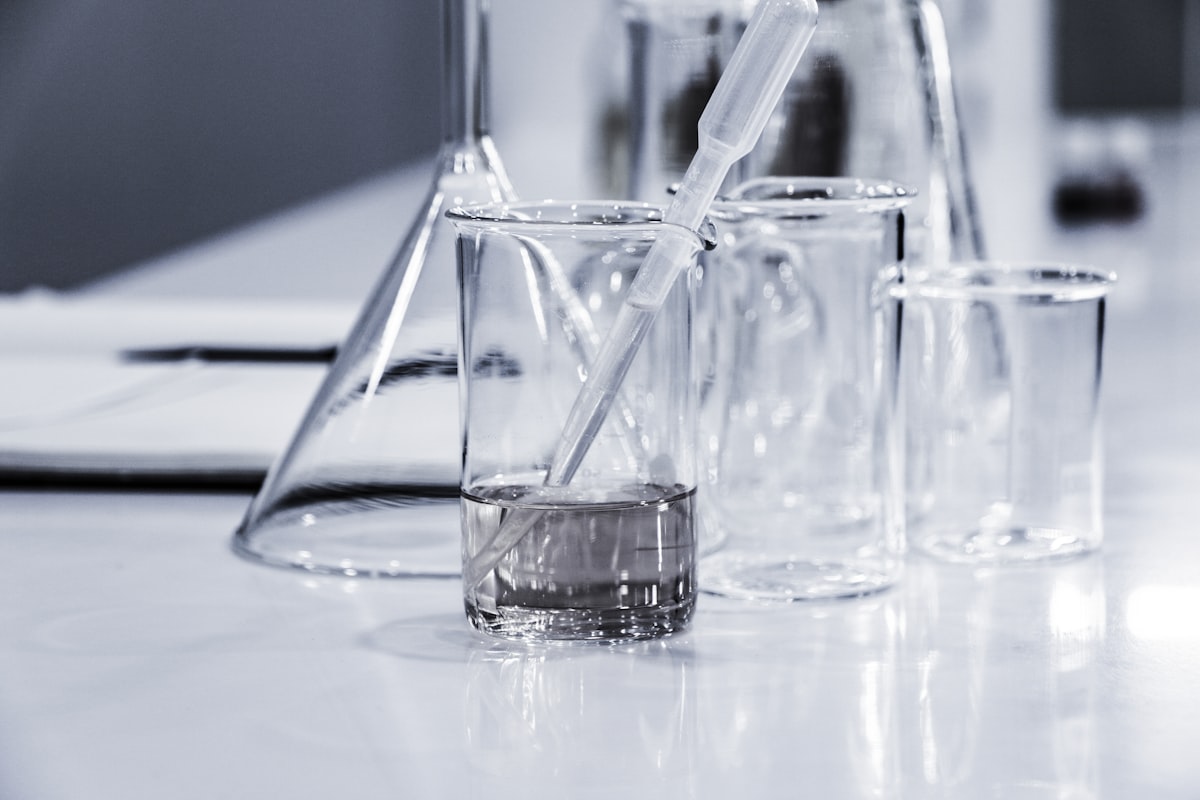
Applied chemical R&D and computational modeling
Integrated lab experimentation and simulation workflows to improve technical decision speed.

Step 01
Problem
Experimental and computational outputs needed stronger integration for practical team decisions.
Step 02
Context and constraints
Academic-industrial environment with high methodological standards and multidisciplinary collaboration.
Role: Research support in synthesis, experimental analysis, and molecular simulation.
Step 03
Key decisions
- Defined testable hypotheses before each experimental cycle.
- Cross-validated instrumental observations with theoretical modeling.
- Documented results in replicable formats for team continuity.
Step 04
Outcomes
- Higher coherence between lab observations and simulation outcomes.
- Clearer technical discussions in project review meetings.
- Faster iteration cycles by reducing ambiguity.
Metrics
- Combined workflow across synthesis, instrumental analysis, and HPC simulation.
- Hypothesis-driven rounds with explicit verification steps.
- Replicable documentation usable by parallel researchers.
Step 05
Learnings and next improvement
Learnings
- Real value appears when experimentation and simulation are designed as one system.
- Documentation quality has direct impact on iteration speed.
Next improvement
- Standardize comparative reports across experimental and computational methods.
Step 06
Visual resources
Stock visuals are active to keep layouts stable. You can replace them later from `src/lib/site.ts` or per-project content.